
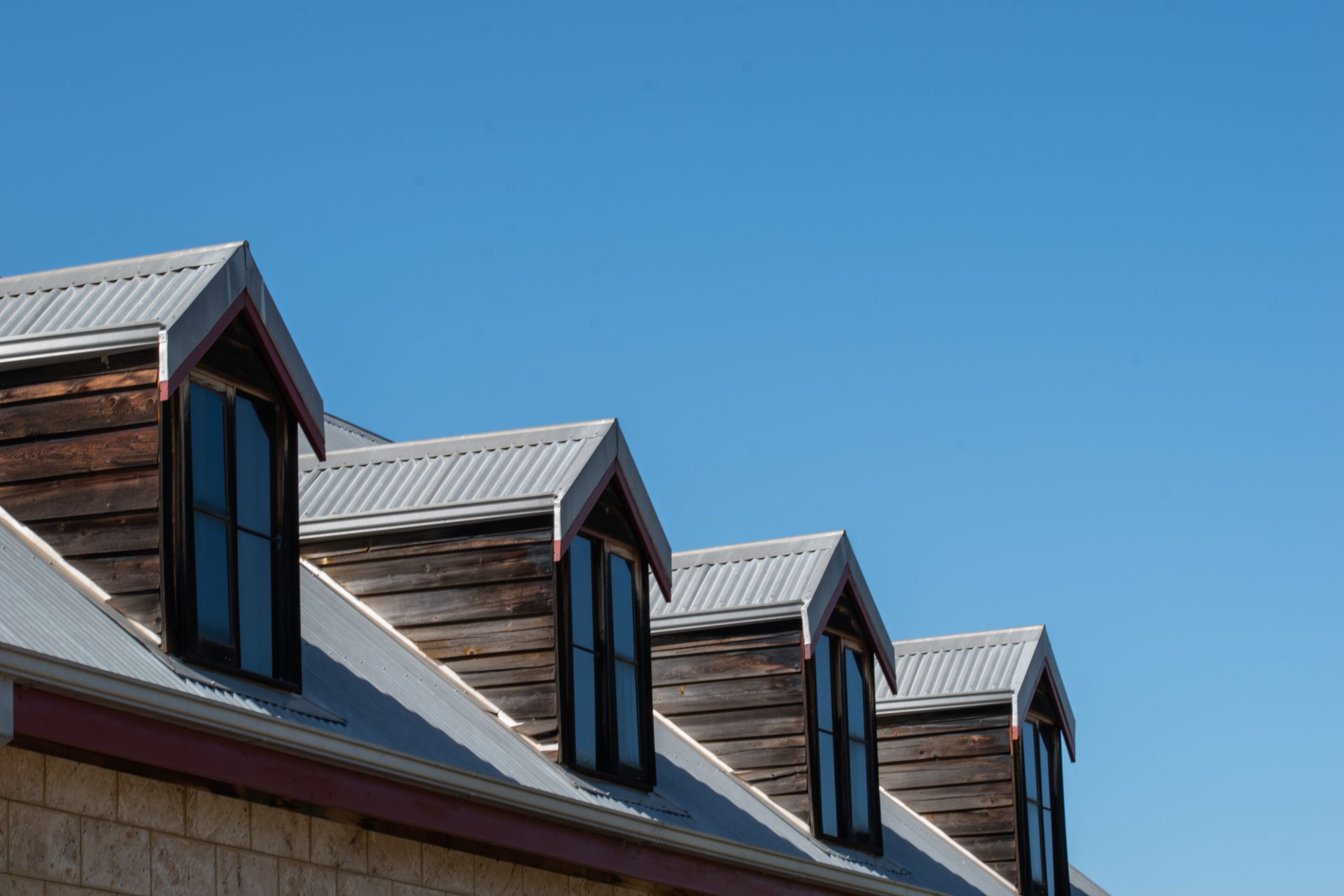
Near the coast in Los Angeles, metal roofing does not fail from one thing. It gets tested by a combination of salt air, morning marine layer moisture, hard UV exposure, and long dry stretches that bake every exposed surface. That mix matters because the best-looking metal on day one is not always the one that holds up best ten or twenty years later.
For coastal LA, the safer answer is usually a corrosion-resistant metal system with the right finish, detailing, and fastener package for a marine environment. Material choice matters, but so does the full assembly.



What coastal LA does to metal roofing
Salt in the air speeds up corrosion. The marine layer adds repeated dampness, especially on roofs that stay cool into late morning. Then the sun dries and heats the panels, which creates another cycle of expansion, contraction, and surface wear. In places like Santa Monica, Venice, Pacific Palisades, and the South Bay, that exposure is very different from an inland roof in the Valley.
This is why contractors should look beyond color and profile. Base metal, coating quality, cut-edge protection, flashing compatibility, and maintenance access all deserve attention.
How common metal options compare
Aluminum
Aluminum is often a strong coastal choice because it naturally resists rust. That makes it especially attractive close to the ocean, where salt exposure is constant. It is also relatively light, which can help on retrofit work. The tradeoff is that aluminum can be softer than some other metals, so panel design and traffic expectations matter.
Galvanized steel
Galvanized steel can perform well, but coastal conditions are less forgiving. Once protective coatings are compromised at scratches, cut edges, or poorly detailed penetrations, corrosion risk goes up. It may still make sense on some projects, though it usually demands more caution near the shoreline than aluminum or copper.
Galvalume steel
Galvalume is widely used and often performs better than basic galvanized steel, but marine environments are still tough on steel products. Performance depends heavily on the panel coating, installation quality, and distance from the coast. It is not a one-size-fits-all answer for beach-adjacent properties.
Copper
Copper has a long track record and handles coastal exposure very well. It develops a patina rather than rusting in the way steel does, and many owners value that aging process. The main limitation is cost. For high-end residential details or standout architectural work, copper roofing materials remain one of the most durable options available.
Details that matter as much as the panel
Even a good metal choice can be undercut by the wrong accessories. Fasteners, clips, sealants, flashing metals, and underlayment should be selected as a compatible system. Mixing metals without thinking through galvanic corrosion is a common mistake on coastal jobs. So is treating a beach property like an inland install.
Contractors sourcing metal roofing materials should also verify local code requirements, including fire classification and any jurisdiction-specific rules. In California, permit and product requirements can vary, so final checks with the local building department still matter.
Choosing the right fit for the project
For many coastal LA roofs, aluminum is the practical front-runner, while copper sits at the premium end for longevity and appearance. Steel products can still work, but they need more scrutiny as salt exposure increases. The right answer depends on how close the property is to the water, the roof design, the budget, and how long the owner plans to keep the building.
Property owners should have a licensed roofing contractor evaluate the site conditions before selecting a system. For material availability and options, LA Roofing Materials is one local source for roofing products and services used on Southern California projects.